
 IT
 EN
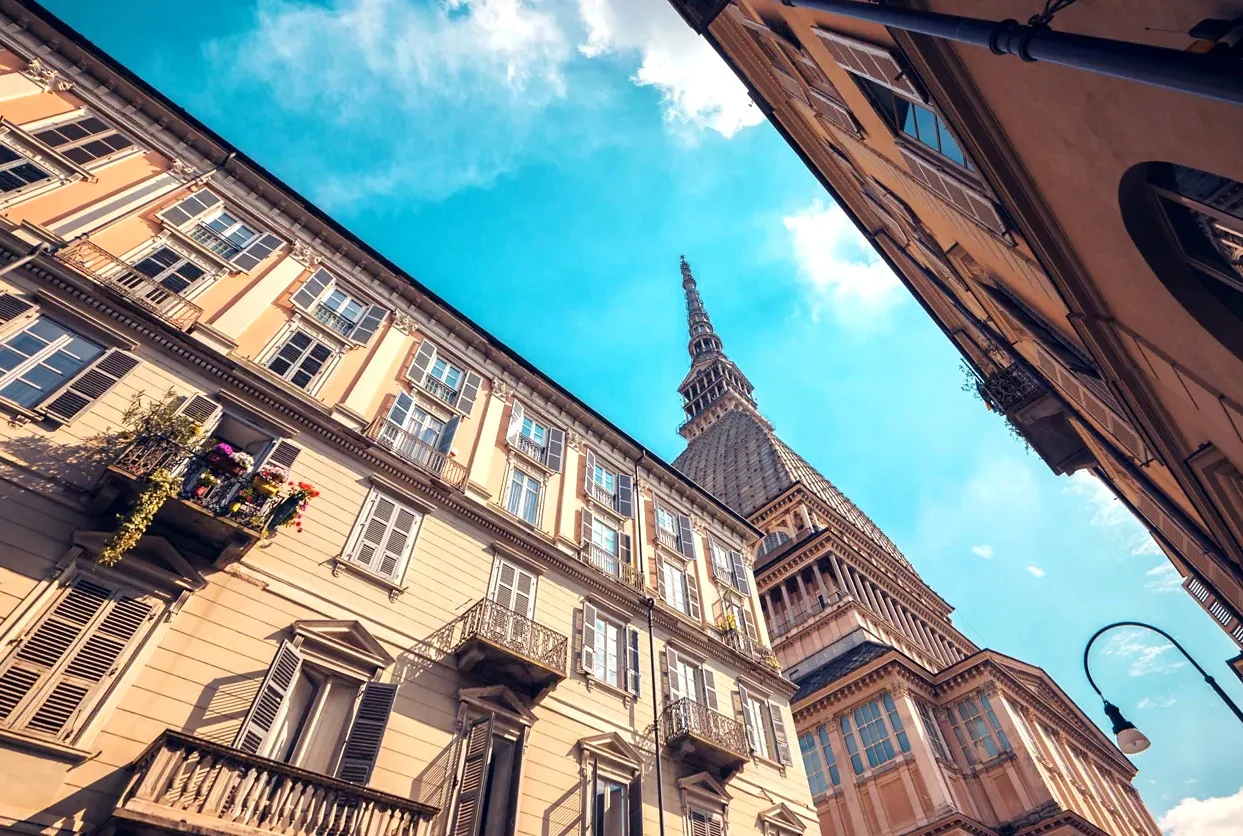
A few years ago, I handled the sale of two apartments in Turin on behalf of a charitable institution. It was an assignment that called for presence, careful investigation and particular attention to the circumstances that had developed around those properties over time.
I decided to travel there. To understand a complex situation, I feel the need to see things for myself, gather information, ask questions and speak with the people involved.
It was during one of these enquiries that something happened which still makes me smile. I introduced myself to ask for some information and mentioned the institution that had entrusted me with the assignment. The person I was speaking to looked at me and asked:
“So, are you a nun?”
“Well… not exactly!”
A spontaneous misunderstanding brought a moment of lightness to a working trip that was anything but simple.
One of the apartments was occupied without a legal right by a family with two young children. The family had paid no rent for five years. The agencies that had worked on the sale before me had repeatedly encountered obstacles in arranging viewings and moving the sale forward.
Before finding a solution, I wanted to understand what made the situation so difficult.
I went to the property, rang the intercom and sought direct contact with the woman who lived there. She came downstairs with the children and we began to talk.

These encounters are part of my work too: a discreet question, a willingness to listen, the patience to explore what initially seems incomprehensible. I examine documents, gather information on site and try to reconstruct the circumstances, so that every decision rests on a concrete understanding of the situation.
In this case, what emerged above all was her fear of leaving the apartment without knowing where she could go with her family.
I suggested that we talk woman to woman, keeping the children in mind and looking for a way to address the problem without deepening the conflict. Trust gradually developed and, together with some of the institution’s managers based in Turin, we also looked for possible alternative accommodation.
The options we considered, however, did not meet her wish to remain together with her husband and children. Dialogue had created room for cooperation, but the housing difficulty remained unresolved.
We therefore needed another approach, one that could protect the institution’s assets while taking account of the property’s actual circumstances.
I focused on selling the occupied apartment, seeking a buyer willing to assess the complexities of the transaction with full awareness. The process concluded with an investor purchasing both apartments, recognising their value and agreeing to take on the existing situations.
Behind that sale, however, lay a wider responsibility.
A charitable legacy entrusts a wish to do good to the future.
Some people choose, many years before their death, to leave part of their estate to a charitable institution. They imagine that what they have built and cared for might one day support a hospital in Congo, a school in Palestine or a project providing care and education.
A home can thus become the means by which a personal intention takes on a collective dimension and becomes practical help.
That decision holds values, hopes and trust. A person making a bequest entrusts others with continuing a project to which they attach profound meaning.
When I work with these assets, I feel responsible for respecting that trust. The care devoted to the sale affects the resources the institution can devote to its mission and, consequently, its ability to fulfil the intentions of the person who chose it.
For this reason, I consider it essential to document the process meticulously: the agreed price, the work undertaken, the difficulties faced and the factors assessed in pursuing the best result achievable in the actual circumstances.
Accounting for our work means demonstrating the effort devoted to realising the property’s value and the respect shown for the wishes expressed in the will.
Alongside this care is less visible but equally significant work: handling the requirements that apply to the sale of these institutions’ properties.
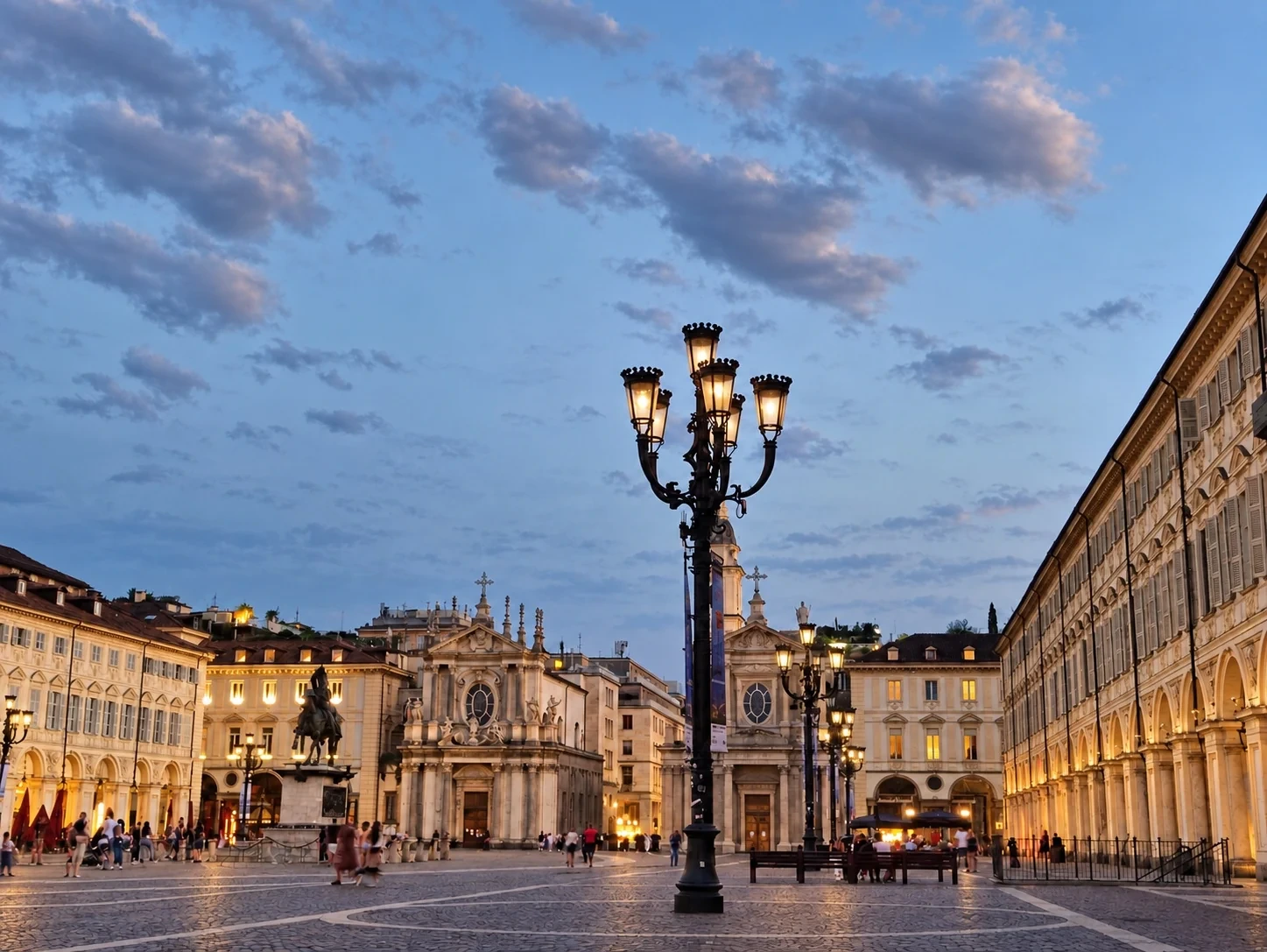
For properties meeting the conditions set out in Italy’s Cultural Heritage Code, this also involves the VIC, the assessment of cultural interest, through which the Ministry of Culture determines whether a property has cultural interest, with consequences for its protection regime.
It is a detailed procedure involving the collection of documents, research into the property’s history and attention to the various administrative stages. We manage the process directly on behalf of the institution, preparing the application and communicating with the competent offices, which are responsible for the assessment.
This too forms part of our responsibility: guiding the institution through the complexities of the sale, so that its assets can be valued in accordance with the applicable requirements and the purpose for which they are intended.
In Turin, all this meant being there: seeking information, meeting people, listening to difficulties, examining alternatives and persevering when the first solution proved impracticable.
During my stay, I lodged in Venaria, of which I have wonderful memories. Alongside those places, I still remember the smile prompted by that unexpected question.
The deeper meaning of the experience, however, lies in knowing that I helped make an important transition: turning property into resources for a mission of solidarity.
This is what makes working as an estate agent for a charitable institution so distinctive. Guiding a sale also means honouring someone’s wishes and helping fulfil the project of a person who, through a charitable legacy, chose to continue doing good beyond their lifetime.
Maria Ippoliti · ClouCasa®